Hobby
N에
Explanation
에 can mark what prompted a response, such as a sound.
노크 소리에 책을 덮었어요.
I closed my book at the sound of knocking.
Seemile Korean Book · Hobby · p. 94
Examples in context
히토미는 노크 소리에 책을 덮었어요.
Hitomi closed her book at the sound of knocking.
| Word | In this sentence | Meaning |
|---|---|---|
| 히토미 | 히토미는 | Hitomi |
| 노크 소리 | 노크 소리에 | sound of knocking |
| 책 | 책을 | book |
| 덮다 | 덮었어요 | close |
아람이가 돌에 걸려 넘어졌어요.
Aram tripped over a stone.
| Word | In this sentence | Meaning |
|---|---|---|
| 아람 | 아람이가 | Aram |
| 돌 | 돌에 | stone |
| 걸리다 | 걸려 | trip over |
| 넘어지다 | 넘어졌어요 | trip over |
존은 눈보라에 길을 잃었어요.
John got lost in a snowstorm.
| Word | In this sentence | Meaning |
|---|---|---|
| 존 | 존은 | John |
| 눈보라 | 눈보라에 | snowstorm |
| 길 | 길을 | way |
| 잃다 | 잃었어요 | get lost |
로한은 비명 소리에 깜짝 놀랐어요.
Rohan was startled by a scream.
| Word | In this sentence | Meaning |
|---|---|---|
| 로한 | 로한은 | Rohan |
| 비명 소리 | 비명 소리에 | scream |
| 깜짝 | 깜짝 | startle |
| 놀라다 | 놀랐어요 | surprise |
Vocabulary
- 히토미
- Hitomi
- 노크 소리
- sound of knocking
- 책
- book
- 덮다
- close
- 아람
- Aram
- 돌
- stone
- 걸리다
- trip over
- 넘어지다
- trip over
- 존
- John
- 눈보라
- snowstorm
- 길
- way
- 잃다
- get lost
- 로한
- Rohan
- 비명 소리
- scream
- 깜짝
- startle
- 놀라다
- surprise
Practice
- Read one Korean example aloud, then cover it and rebuild the sentence from its meaning.
- Identify the form explained above and compare it with the forms in the word table.
- Change one person, place or object while keeping the grammar and speech level consistent. Check your sentence against the rule.
Vocabulary check
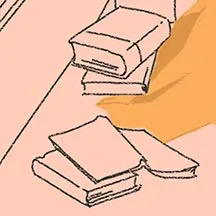
- 도서관
- 스키장
- 책
- 아침
Show answer
3. 책
Vocabulary check
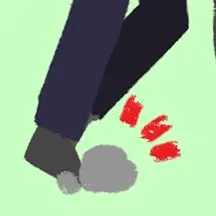
- 읽다
- 보다
- 걸리다
- 가다
Show answer
3. 걸리다
Book exercises: p. 98. The online scene quizzes above are separate practice.