Hobby
N에
Explanation
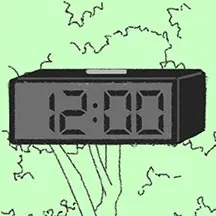
Use 에 to mark a time such as a clock time, day or part of the day. Common adverbs like 오늘 usually stand alone.
아침에 책을 읽어요.
I read a book in the morning.
Seemile Korean Book · Hobby · p. 93
Examples in context
히토미는 아침에 책을 읽었어요.
Hitomi read a book in the morning.
| Word | In this sentence | Meaning |
|---|---|---|
| 히토미 | 히토미는 | Hitomi |
| 아침 | 아침에 | morning |
| 책 | 책을 | book |
| 읽다 | 읽었어요 | read |
아람이는 카이와 점심에 산에 갔어요.
Aram went to the mountains with Kai in the afternoon.
| Word | In this sentence | Meaning |
|---|---|---|
| 아람 | 아람이는 | Aram |
| 카이 | 카이와 | Kai |
| 점심 | 점심에 | lunch |
| 산 | 산에 | mountain |
| 가다 | 갔어요 | go |
존은 오후 두 시에 스키를 탈 거예요.
John will ski at 2 p.m.
| Word | In this sentence | Meaning |
|---|---|---|
| 존 | 존은 | John |
| 오후 | 오후 | afternoon |
| 두 시 | 두 시에 | 2 o'clock |
| 스키 | 스키를 | ski |
| 타다 | 탈 | ski |
| 거다 | 거예요 | will |
로한은 저녁에 영화를 볼 거예요.
Rohan will watch a movie in the evening.
| Word | In this sentence | Meaning |
|---|---|---|
| 로한 | 로한은 | Rohan |
| 저녁 | 저녁에 | evening |
| 영화 | 영화를 | movie |
| 보다 | 볼 | watch |
| 거다 | 거예요 | will |
Vocabulary
- 히토미
- Hitomi
- 아침
- morning
- 책
- book
- 읽다
- read
- 아람
- Aram
- 카이
- Kai
- 점심
- lunch
- 산
- mountain
- 가다
- go
- 존
- John
- 오후
- afternoon
- 두 시
- 2 o'clock
- 스키
- ski
- 타다
- ski
- 거다
- will
- 로한
- Rohan
- 저녁
- evening
- 영화
- movie
- 보다
- watch
Practice
- Read one Korean example aloud, then cover it and rebuild the sentence from its meaning.
- Identify the form explained above and compare it with the forms in the word table.
- Change one person, place or object while keeping the grammar and speech level consistent. Check your sentence against the rule.
Vocabulary check

- 집
- 책
- 옷
- 꽃
Show answer
2. 책
Vocabulary check
- 책
- 점심
- 외투
- 내일
Show answer
2. 점심
Book exercises: p. 98. The online scene quizzes above are separate practice.