Hobby1
에(시간)
Explicação
Além disso, a posposição '에' é usada para dizer o tempo em que algo está acontecendo.
• 히토미는 아침에 책을 읽었어요. : O tempo que Hitomi leu o livro é de manhã.
• 아람은 카이와 점심에 산에 갔어요.
아침에 책을 읽어요.
I read a book in the morning.
Seemile Korean Book · Hobby1 · p. 93
Exemplos em contexto
히토미는 아침에 책을 읽었어요.
Hitomi leu um livro pela manhã.
| Word | In this sentence | Meaning |
|---|---|---|
| 히토미 | 히토미는 | Hitomi |
| 아침 | 아침에 | manhã |
| 책 | 책을 | livro |
| 읽다 | 읽었어요 | ler |
아람이는 카이와 점심에 산에 갔어요.
Aram foi a uma montanha com Kai no almoço.
| Word | In this sentence | Meaning |
|---|---|---|
| 아람 | 아람이는 | Aram |
| 카이 | 카이와 | Kai |
| 점심 | 점심에 | almoço |
| 산 | 산에 | montanha |
| 가다 | 갔어요 | ir |
존은 오후 두 시에 스키를 탈 거예요.
John vai esquiar às 2 da tarde.
| Word | In this sentence | Meaning |
|---|---|---|
| 존 | 존은 | John |
| 오후 | 오후 | tarde |
| 두 시 | 두 시에 | ás 2 |
| 스키 | 스키를 | esqui |
| 타다 | 탈 | esquiar |
| 거다 | 거예요 | ir |
로한은 저녁에 영화를 볼 거예요.
Rohan vai assistir um filme esta noite.
| Word | In this sentence | Meaning |
|---|---|---|
| 로한 | 로한은 | Rohan |
| 저녁 | 저녁에 | noite |
| 영화 | 영화를 | filme |
| 보다 | 볼 | ver |
| 거다 | 거예요 | ir |
Vocabulário
- 히토미
- Hitomi
- 아침
- manhã
- 책
- livro
- 읽다
- ler
- 아람
- Aram
- 카이
- Kai
- 점심
- almoço
- 산
- montanha
- 가다
- ir
- 존
- John
- 오후
- tarde
- 두 시
- ás 2
- 스키
- esqui
- 타다
- esquiar
- 거다
- ir
- 로한
- Rohan
- 저녁
- noite
- 영화
- filme
- 보다
- ver
Prática
- Read one Korean example aloud, then cover it and rebuild the sentence from its meaning.
- Identify the form explained above and compare it with the forms in the word table.
- Change one person, place or object while keeping the grammar and speech level consistent. Check your sentence against the rule.
Vocabulary check

- 집
- 책
- 옷
- 꽃
Ver resposta
2. 책
Vocabulary check
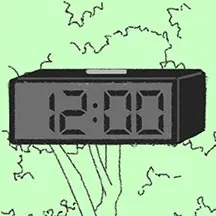
- 책
- 점심
- 외투
- 내일
Ver resposta
2. 점심
Book exercises: p. 98. The online scene quizzes above are separate practice.
Videoaula
Postpositional particles N에, N에서
YouTube · 19:31Lições relacionadas
- 에(장소) — Posicionamento '에' pode ser usado em várias situações, adicionando vários significados. Seu uso pode ser classificado em três grandes significados; localização, tempo e causa. Primeiro, '에' costumava dizer direção ou destino, geralmente é usado com um verbo como '가다', '오다', '도착하다'. • 히토미는 어제 도서관에 갔어요. : Mostra que o destino de Hitomi é biblioteca • 존은 오늘 스키장에 가요.
- 에(원인) — Outro uso da posposição "에" é dizer a causa de certas ações ou circunstâncias • 히토미는 노크 소리에 책을 덮었어요 : A razão pela qual Hitomi fechou o livro é o som da batida. • 아람은 돌에 걸려 넘어졌어요.
- 에서 — A posposição '에' pode ser usada para indicar a localização de certas ações ou circunstâncias. • 히토미는 우체국에서 편지를 부쳤어요. : O local onde a ação, o envio da carta ocorreu é o correio. • 카이와 아람은 산장에서 쉬었어요.