clima 2
~(으)ㄹ 거예요
Explicação
‘~(으)ㄹ 거예요’ vem após o verbo ou o adjetivo. É usado para expressar suposição ou subjetividade.
⦁을 거예요 : Usado quando o verbo ou adjetivo anterior termina com consoante, exceto ㄹ[영화관에 사람이 많을 거예요.]
⦁ㄹ 거예요 : Usado quando o verbo ou adjetivo anterior termina com uma vogal ou ㄹ[내일 날씨가 추울 거예요.]
* Forma básica: ~을 거다 /ㄹ 거다
내일은 추워질 거예요.
It’ll get colder tomorrow.
Seemile Korean Book · clima 2 · p. 187
Exemplos em contexto
내일 날씨가 추울 거예요.
Vai esfriar amanhã.
| Word | In this sentence | Meaning |
|---|---|---|
| 내일 | 내일 | amanhã |
| 날씨 | 날씨가 | tempo |
| 춥다 | 추울 | frio |
| 거다 | 거예요 | ir |
이번 겨울은 눈이 많이 올 거예요.
Vai nevar muito este inverno.
| Word | In this sentence | Meaning |
|---|---|---|
| 이번 | 이번 | este |
| 겨울 | 겨울은 | inverno |
| 눈 | 눈이 | neve |
| 많이 | 많이 | muito |
| 오다 | 올 | nevar |
| 거다 | 거예요 | ir |
비가 오면 추워질 거예요.
Vai ficar frio quando chove.
| Word | In this sentence | Meaning |
|---|---|---|
| 비 | 비가 | chuva |
| 오다 | 오면 | chover |
| 추워지다 | 추워질 | ficar frio |
| 거다 | 거예요 | ir |
얼음이 얼어서 미끄러울 거예요.
Estará escorregadio porque está congelado.
| Word | In this sentence | Meaning |
|---|---|---|
| 얼음 | 얼음이 | gelo |
| 얼다 | 얼어서 | congelar |
| 미끄럽다 | 미끄러울 | escorregadio |
| 거다 | 거예요 | ir |
Vocabulário
- 내일
- amanhã
- 날씨
- tempo
- 춥다
- frio
- 거다
- ir
- 이번
- este
- 겨울
- inverno
- 눈
- neve
- 많이
- muito
- 오다
- chover
- 비
- chuva
- 추워지다
- ficar frio
- 얼음
- gelo
- 얼다
- congelar
- 미끄럽다
- escorregadio
Prática
- Read one Korean example aloud, then cover it and rebuild the sentence from its meaning.
- Identify the form explained above and compare it with the forms in the word table.
- Change one person, place or object while keeping the grammar and speech level consistent. Check your sentence against the rule.
Vocabulary check

- 시원하다
- 덥다
- 뜨겁다
- 춥다
Ver resposta
4. 춥다
Vocabulary check
- 봄
- 겨울
- 가을
- 여름
Ver resposta
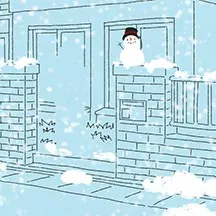
2. 겨울
Book exercises: p. 191. The online scene quizzes above are separate practice.
Videoaula
A/V-겠어요, A/V-(으)ㄹ 거예요, A/V-(으)ㄹ까요?, N마다, N보다
YouTube · 17:29Lições relacionadas
- ~겠어요 — ‘~겠어요’ vem após o verbo ou adjetivo. É usado para adivinhar o estado atual do momento. • 오늘은 날씨가 매우 덥겠어요. • 시원한 것이 마시고 싶겠어요. * Forma básica : ~겠다
- ~(으)ㄹ까요? — ‘~(으)ㄹ까요?’ vem após o verbo ou o adjetivo. Isso mostra dúvidas ou pensamentos dos falantes. ⦁을까요 : Usado quando o verbo ou adjetivo anterior termina com consoante, exceto ㄹ[얼음이 얼 수도 있을까요?] ⦁ㄹ까요 : Usado quando o verbo ou adjetivo anterior termina com uma vogal ou ㄹ[주말에 눈이 올까요?] * 눈이 많이 오면 길이 막힐까요?[막히(다)+ㄹ까요]
- 마다, 보다 — ‘마다’ é uma posposição que vem após o substantivo. Ele é usado para expressar que alguns similares estão se repetindo. '보다' vem após o substantivo e diz que o substantivo é um alvo de comparação. • 아람은 바람이 불 때마다 모자를 써요. • 히토미는 비보다 눈을 좋아해요.