Weather Conditions
A/V-(으)ㄹ 거예요
Explanation
(으)ㄹ 거예요 can express a prediction as well as a plan. Context makes the difference.
내일은 추워질 거예요.
It’ll get colder tomorrow.
Seemile Korean Book · Weather Conditions · p. 187
Examples in context
내일 날씨가 추울 거예요.
It will be cold tomorrow.
| Word | In this sentence | Meaning |
|---|---|---|
| 내일 | 내일 | tomorrow |
| 날씨 | 날씨가 | weather |
| 춥다 | 추울 | cold |
| 거다 | 거예요 | will |
이번 겨울은 눈이 많이 올 거예요.
There will be a lot of snow this winter.
| Word | In this sentence | Meaning |
|---|---|---|
| 이번 | 이번 | this |
| 겨울 | 겨울은 | winter |
| 눈 | 눈이 | snow |
| 많이 | 많이 | a lot of |
| 오다 | 올 | snow |
| 거다 | 거예요 | will |
비가 오면 추워질 거예요.
It will become cold when it rains.
| Word | In this sentence | Meaning |
|---|---|---|
| 비 | 비가 | rain |
| 오다 | 오면 | rain |
| 추워지다 | 추워질 | become cold |
| 거다 | 거예요 | will |
얼음이 얼어서 미끄러울 거예요.
Ice has formed so I think it will be slippery.
| Word | In this sentence | Meaning |
|---|---|---|
| 얼음 | 얼음이 | ice |
| 얼다 | 얼어서 | freeze |
| 미끄럽다 | 미끄러울 | slippery |
| 거다 | 거예요 | will |
Vocabulary
- 내일
- tomorrow
- 날씨
- weather
- 춥다
- cold
- 거다
- will
- 이번
- this
- 겨울
- winter
- 눈
- snow
- 많이
- a lot of
- 오다
- rain
- 비
- rain
- 추워지다
- become cold
- 얼음
- ice
- 얼다
- freeze
- 미끄럽다
- slippery
Practice
- Read one Korean example aloud, then cover it and rebuild the sentence from its meaning.
- Identify the form explained above and compare it with the forms in the word table.
- Change one person, place or object while keeping the grammar and speech level consistent. Check your sentence against the rule.
Vocabulary check

- 시원하다
- 덥다
- 뜨겁다
- 춥다
Show answer
4. 춥다
Vocabulary check
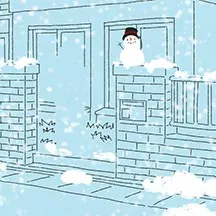
- 봄
- 겨울
- 가을
- 여름
Show answer
2. 겨울
Book exercises: p. 191. The online scene quizzes above are separate practice.
Video lesson
A/V-겠어요, A/V-(으)ㄹ 거예요, A/V-(으)ㄹ까요?, N마다, N보다
YouTube · 17:29Related lessons
- A/V-겠어요 — Attach 겠어요 when making an inference from what you see or hear. Use 았/었겠어요 for a guess about a past situation.
- A/V-(으)ㄹ까요 — Use (으)ㄹ까요? to wonder about what may happen or ask the listener for their guess.
- N마다, N보다 — Attach 마다 to mean every or each and 보다 to the baseline of a comparison.