El tiempo2
~(으)ㄹ 거예요
Explicación
Se usa ‘∼(으)ㄹ 거예요’ cuando se indican las conjeturas personales del hablante.
• 을 거예요 : Se lo usa para la raíz de un verbo o adjetivo que termina con consonante soporte, excepto ‘ㄹ’.[영화관에 사람이 많을 거예요.]
•ㄹ 거예요 : Se lo usa para la raíz de un verbo o adjetivo que termina con la consonante soporte ‘ㄹ’ o con vocal.[내일 날씨가 추울 거예요.]
* infinitivo : 을 거다 /ㄹ 거다
내일은 추워질 거예요.
It’ll get colder tomorrow.
Seemile Korean Book · El tiempo2 · p. 187
Ejemplos en contexto
내일 날씨가 추울 거예요.
Va a haber el frío mañana.
| Word | In this sentence | Meaning |
|---|---|---|
| 내일 | 내일 | mañana |
| 날씨 | 날씨가 | tiempo |
| 춥다 | 추울 | frío |
| 거다 | 거예요 | ir a |
이번 겨울은 눈이 많이 올 거예요.
Va a haber mucha nieve este invierno.
| Word | In this sentence | Meaning |
|---|---|---|
| 이번 | 이번 | este |
| 겨울 | 겨울은 | invierno |
| 눈 | 눈이 | nieve |
| 많이 | 많이 | mucho |
| 오다 | 올 | nevar |
| 거다 | 거예요 | ir a |
비가 오면 추워질 거예요.
Va a haber el frío si llueve.
| Word | In this sentence | Meaning |
|---|---|---|
| 비 | 비가 | lluvia |
| 오다 | 오면 | llover |
| 추워지다 | 추워질 | ir a haber el frío |
| 거다 | 거예요 | ir a |
얼음이 얼어서 미끄러울 거예요.
Pienso que el camino es resbaladizo por hielo.
| Word | In this sentence | Meaning |
|---|---|---|
| 얼음 | 얼음이 | hielo |
| 얼다 | 얼어서 | helar |
| 미끄럽다 | 미끄러울 | resbaladizo |
| 거다 | 거예요 | ir a |
Vocabulario
- 내일
- mañana
- 날씨
- tiempo
- 춥다
- frío
- 거다
- ir a
- 이번
- este
- 겨울
- invierno
- 눈
- nieve
- 많이
- mucho
- 오다
- llover
- 비
- lluvia
- 추워지다
- ir a haber el frío
- 얼음
- hielo
- 얼다
- helar
- 미끄럽다
- resbaladizo
Práctica
- Read one Korean example aloud, then cover it and rebuild the sentence from its meaning.
- Identify the form explained above and compare it with the forms in the word table.
- Change one person, place or object while keeping the grammar and speech level consistent. Check your sentence against the rule.
Vocabulary check

- 시원하다
- 덥다
- 뜨겁다
- 춥다
Ver respuesta
4. 춥다
Vocabulary check
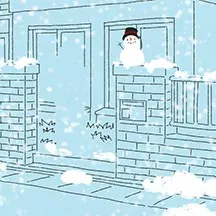
- 봄
- 겨울
- 가을
- 여름
Ver respuesta
2. 겨울
Book exercises: p. 191. The online scene quizzes above are separate practice.
Videoclase
A/V-겠어요, A/V-(으)ㄹ 거예요, A/V-(으)ㄹ까요?, N마다, N보다
YouTube · 17:29Lecciones relacionadas
- ~겠어요 — Se usa ‘∼겠어요’ cuando se adivina o supone una situación del futuro mirando el presente. • 오늘은 날씨가 매우 덥겠어요. • 시원한 것이 마시고 싶겠어요.
- ~(으)ㄹ까요? — Se usa ‘∼(으)ㄹ까요?’ cuando se pregunta algo o se opina personalmente. • 을까요 : Se lo usa para la raíz de un verbo o adjetivo que termina con consonante soporte, excepto ‘ㄹ’.[얼음이 얼 수도 있을까요?] •ㄹ까요 : Se lo usa para la raíz de un verbo o adjetivo que termina con la consonante soporte ‘ㄹ’ o con vocal.[주말에 눈이 올까요?] * 눈이 많이 오면 길이 막힐까요?[막히(다)+ㄹ까요]
- 마다, 보다 — Se usa la partícula pospositiva ‘마다’ (cada) cuando se expresa una por una situaciones parecidas, o cuando se repite una situación. Se usa ‘보다’ (que) cuando se compara algo con el contenido anterior de ‘보다’. • 아람은 바람이 불 때마다 모자를 써요. • 히토미는 비보다 눈을 좋아해요.