Weather Conditions
A/V-겠어요
Explanation
Attach 겠어요 when making an inference from what you see or hear. Use 았/었겠어요 for a guess about a past situation.
정말 힘들었겠어요.
That must have been really hard.
Seemile Korean Book · Weather Conditions · p. 186
Form and use
-(으)ㄹ까요: shall we? / I wonder if. -겠어요: conjecture or polite intention.
| Condition | Form | Example |
|---|---|---|
| 제안 (shall we) | V + (으)ㄹ까요? | 같이 갈까요? (Shall we go?) |
| 추측 · 공감 | A/V + 겠어요 | 힘드시겠어요 (must be hard) |
| 의도 (polite) | V + 겠어요 | 알겠어요 · 하겠어요 |
내일 비가 올까요?
I wonder if it will rain tomorrow?
많이 힘드셨겠어요
That must have been very hard for you
Form and use
Examples in context
오늘은 날씨가 매우 덥겠어요.
I'm thinking It will be very hot today.
| Word | In this sentence | Meaning |
|---|---|---|
| 오늘 | 오늘은 | today |
| 날씨 | 날씨가 | weather |
| 매우 | 매우 | very |
| 덥다 | 덥겠어요 | hot |
시원한 것이 마시고 싶겠어요.
I'm thinking you will want something cool to drink will be in order.
| Word | In this sentence | Meaning |
|---|---|---|
| 시원하다 | 시원한 | cool |
| 것 | 것이 | thing |
| 마시다 | 마시고 | drink |
| 싶다 | 싶겠어요 | would like to |
낮에는 소나기가 내리겠어요.
It looks like there will be rain shower during the day.
| Word | In this sentence | Meaning |
|---|---|---|
| 낮 | 낮에는 | day |
| 소나기 | 소나기가 | shower |
| 내리다 | 내리겠어요 | rain |
밤에는 시원한 바람이 불겠어요.
It looks like there will be a cool breeze will blow tonight.
| Word | In this sentence | Meaning |
|---|---|---|
| 밤 | 밤에는 | tonight |
| 시원하다 | 시원한 | cool |
| 바람 | 바람이 | wind |
| 불다 | 불겠어요 | blow |
Vocabulary
- 오늘
- today
- 날씨
- weather
- 매우
- very
- 덥다
- hot
- 시원하다
- cool
- 것
- thing
- 마시다
- drink
- 싶다
- would like to
- 낮
- day
- 소나기
- shower
- 내리다
- rain
- 밤
- tonight
- 바람
- wind
- 불다
- blow
Practice
- Read one Korean example aloud, then cover it and rebuild the sentence from its meaning.
- Identify the form explained above and compare it with the forms in the word table.
- Change one person, place or object while keeping the grammar and speech level consistent. Check your sentence against the rule.
Vocabulary check
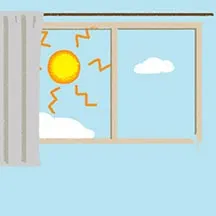
- 바람
- 비
- 눈
- 날씨
Show answer
4. 날씨
Vocabulary check

- 덥다
- 뜨겁다
- 시원하다
- 찾다
Show answer
3. 시원하다
Book exercises: p. 191. The online scene quizzes above are separate practice.
Video lesson
A/V-겠어요, A/V-(으)ㄹ 거예요, A/V-(으)ㄹ까요?, N마다, N보다
YouTube · 17:29Related lessons
- A/V-(으)ㄹ 거예요 — (으)ㄹ 거예요 can express a prediction as well as a plan. Context makes the difference.
- A/V-(으)ㄹ까요 — Use (으)ㄹ까요? to wonder about what may happen or ask the listener for their guess.
- N마다, N보다 — Attach 마다 to mean every or each and 보다 to the baseline of a comparison.