El tiempo2
~겠어요
Explicación
Se usa ‘∼겠어요’ cuando se adivina o supone una situación del futuro mirando el presente.
• 오늘은 날씨가 매우 덥겠어요.
• 시원한 것이 마시고 싶겠어요.
정말 힘들었겠어요.
That must have been really hard.
Seemile Korean Book · El tiempo2 · p. 186
Form and use
-(으)ㄹ까요: shall we? / I wonder if. -겠어요: conjecture or polite intention.
| Condition | Form | Example |
|---|---|---|
| 제안 (shall we) | V + (으)ㄹ까요? | 같이 갈까요? (Shall we go?) |
| 추측 · 공감 | A/V + 겠어요 | 힘드시겠어요 (must be hard) |
| 의도 (polite) | V + 겠어요 | 알겠어요 · 하겠어요 |
내일 비가 올까요?
I wonder if it will rain tomorrow?
많이 힘드셨겠어요
That must have been very hard for you
Form and use
Ejemplos en contexto
오늘은 날씨가 매우 덥겠어요.
Hoy va a haber mucho calor.
| Word | In this sentence | Meaning |
|---|---|---|
| 오늘 | 오늘은 | hoy |
| 날씨 | 날씨가 | tiempo |
| 매우 | 매우 | mucho |
| 덥다 | 덥겠어요 | calor |
시원한 것이 마시고 싶겠어요.
Voy a querer beber algo fría.
| Word | In this sentence | Meaning |
|---|---|---|
| 시원하다 | 시원한 | frío |
| 것 | 것이 | algo |
| 마시다 | 마시고 | beber |
| 싶다 | 싶겠어요 | querer |
낮에는 소나기가 내리겠어요.
Va a caer un chubasco esta tarde.
| Word | In this sentence | Meaning |
|---|---|---|
| 낮 | 낮에는 | tarde |
| 소나기 | 소나기가 | chubasco |
| 내리다 | 내리겠어요 | llover |
밤에는 시원한 바람이 불겠어요.
Va a haber el viento fresco esta noche.
| Word | In this sentence | Meaning |
|---|---|---|
| 밤 | 밤에는 | noche |
| 시원하다 | 시원한 | fresco |
| 바람 | 바람이 | viento |
| 불다 | 불겠어요 | soplar |
Vocabulario
- 오늘
- hoy
- 날씨
- tiempo
- 매우
- mucho
- 덥다
- calor
- 시원하다
- fresco
- 것
- algo
- 마시다
- beber
- 싶다
- querer
- 낮
- tarde
- 소나기
- chubasco
- 내리다
- llover
- 밤
- noche
- 바람
- viento
- 불다
- soplar
Práctica
- Read one Korean example aloud, then cover it and rebuild the sentence from its meaning.
- Identify the form explained above and compare it with the forms in the word table.
- Change one person, place or object while keeping the grammar and speech level consistent. Check your sentence against the rule.
Vocabulary check
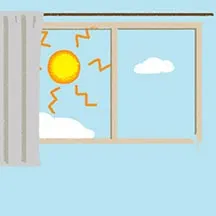
- 바람
- 비
- 눈
- 날씨
Ver respuesta
4. 날씨
Vocabulary check

- 덥다
- 뜨겁다
- 시원하다
- 찾다
Ver respuesta
3. 시원하다
Book exercises: p. 191. The online scene quizzes above are separate practice.
Videoclase
A/V-겠어요, A/V-(으)ㄹ 거예요, A/V-(으)ㄹ까요?, N마다, N보다
YouTube · 17:29Lecciones relacionadas
- ~(으)ㄹ 거예요 — Se usa ‘∼(으)ㄹ 거예요’ cuando se indican las conjeturas personales del hablante. • 을 거예요 : Se lo usa para la raíz de un verbo o adjetivo que termina con consonante soporte, excepto ‘ㄹ’.[영화관에 사람이 많을 거예요.] •ㄹ 거예요 : Se lo usa para la raíz de un verbo o adjetivo que termina con la consonante soporte ‘ㄹ’ o con vocal.[내일 날씨가 추울 거예요.] * infinitivo : 을 거다 /ㄹ 거다
- ~(으)ㄹ까요? — Se usa ‘∼(으)ㄹ까요?’ cuando se pregunta algo o se opina personalmente. • 을까요 : Se lo usa para la raíz de un verbo o adjetivo que termina con consonante soporte, excepto ‘ㄹ’.[얼음이 얼 수도 있을까요?] •ㄹ까요 : Se lo usa para la raíz de un verbo o adjetivo que termina con la consonante soporte ‘ㄹ’ o con vocal.[주말에 눈이 올까요?] * 눈이 많이 오면 길이 막힐까요?[막히(다)+ㄹ까요]
- 마다, 보다 — Se usa la partícula pospositiva ‘마다’ (cada) cuando se expresa una por una situaciones parecidas, o cuando se repite una situación. Se usa ‘보다’ (que) cuando se compara algo con el contenido anterior de ‘보다’. • 아람은 바람이 불 때마다 모자를 써요. • 히토미는 비보다 눈을 좋아해요.