मौसम की स्थिति
~겠어요
व्याख्या
देखी या सुनी बात से निष्कर्ष निकालने के लिए 겠어요 लगाएँ। बीती स्थिति के अनुमान के लिए 았/었겠어요 इस्तेमाल करें।
정말 힘들었겠어요.
That must have been really hard.
Seemile Korean Book · मौसम की स्थिति · p. 186
Form and use
-(으)ㄹ까요: shall we? / I wonder if. -겠어요: conjecture or polite intention.
| Condition | Form | Example |
|---|---|---|
| 제안 (shall we) | V + (으)ㄹ까요? | 같이 갈까요? (Shall we go?) |
| 추측 · 공감 | A/V + 겠어요 | 힘드시겠어요 (must be hard) |
| 의도 (polite) | V + 겠어요 | 알겠어요 · 하겠어요 |
내일 비가 올까요?
I wonder if it will rain tomorrow?
많이 힘드셨겠어요
That must have been very hard for you
Form and use
संदर्भ में उदाहरण
오늘은 날씨가 매우 덥겠어요.
लगता है आज बहुत गर्मी पड़ेगी।
| Word | In this sentence | Meaning |
|---|---|---|
| 오늘 | 오늘은 | आज |
| 날씨 | 날씨가 | मौसम |
| 매우 | 매우 | बहुत |
| 덥다 | 덥겠어요 | गर्मी होना |
시원한 것이 마시고 싶겠어요.
लगता है आपका कुछ ठंडा पीने का मन होगा।
| Word | In this sentence | Meaning |
|---|---|---|
| 시원하다 | 시원한 | ठंडा, ताज़गी देने वाला |
| 것 | 것이 | चीज़ |
| 마시다 | 마시고 | पीना |
| 싶다 | 싶겠어요 | करना चाहना |
낮에는 소나기가 내리겠어요.
लगता है दिन में तेज़ बारिश की एक बौछार पड़ेगी।
| Word | In this sentence | Meaning |
|---|---|---|
| 낮 | 낮에는 | दिन का समय |
| 소나기 | 소나기가 | अचानक पड़ने वाली तेज़ बारिश |
| 내리다 | 내리겠어요 | पड़ना (बारिश, बर्फ़) |
밤에는 시원한 바람이 불겠어요.
लगता है रात को ठंडी हवा चलेगी।
| Word | In this sentence | Meaning |
|---|---|---|
| 밤 | 밤에는 | रात |
| 시원하다 | 시원한 | ठंडा, ताज़गी देने वाला |
| 바람 | 바람이 | हवा |
| 불다 | 불겠어요 | बहना (हवा) |
शब्दावली
- 오늘
- आज
- 날씨
- मौसम
- 매우
- बहुत
- 덥다
- गर्मी होना
- 시원하다
- ठंडा, ताज़गी देने वाला
- 것
- चीज़
- 마시다
- पीना
- 싶다
- करना चाहना
- 낮
- दिन का समय
- 소나기
- अचानक पड़ने वाली तेज़ बारिश
- 내리다
- पड़ना (बारिश, बर्फ़)
- 밤
- रात
- 바람
- हवा
- 불다
- बहना (हवा)
अभ्यास
- Read one Korean example aloud, then cover it and rebuild the sentence from its meaning.
- Identify the form explained above and compare it with the forms in the word table.
- Change one person, place or object while keeping the grammar and speech level consistent. Check your sentence against the rule.
Vocabulary check
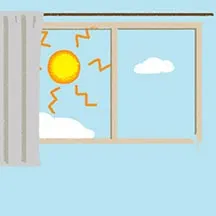
- 바람
- 비
- 눈
- 날씨
उत्तर देखें
4. 날씨
Vocabulary check

- 덥다
- 뜨겁다
- 시원하다
- 찾다
उत्तर देखें
3. 시원하다
Book exercises: p. 191. The online scene quizzes above are separate practice.