天気
~겠어요
解説
‘~겠어요’は、動詞や形容詞の後ろに付いて、言う当時の状況や状態を見て推測したり、推定するときに使用する。
• 오늘은 날씨가 매우 덥겠어요.
• 시원한 것이 마시고 싶겠어요.
정말 힘들었겠어요.
That must have been really hard.
Seemile Korean Book · 天気 · p. 186
Form and use
-(으)ㄹ까요: shall we? / I wonder if. -겠어요: conjecture or polite intention.
| Condition | Form | Example |
|---|---|---|
| 제안 (shall we) | V + (으)ㄹ까요? | 같이 갈까요? (Shall we go?) |
| 추측 · 공감 | A/V + 겠어요 | 힘드시겠어요 (must be hard) |
| 의도 (polite) | V + 겠어요 | 알겠어요 · 하겠어요 |
내일 비가 올까요?
I wonder if it will rain tomorrow?
많이 힘드셨겠어요
That must have been very hard for you
Form and use
文脈の中の例文
오늘은 날씨가 매우 덥겠어요.
今日は天気が非常に暑くなりそうです。
| Word | In this sentence | Meaning |
|---|---|---|
| 오늘 | 오늘은 | 今日 |
| 날씨 | 날씨가 | 天気 |
| 매우 | 매우 | とても |
| 덥다 | 덥겠어요 | 暑い |
시원한 것이 마시고 싶겠어요.
冷たいものが飲みたそうですね。
| Word | In this sentence | Meaning |
|---|---|---|
| 시원하다 | 시원한 | 冷たい |
| 것 | 것이 | もの |
| 마시다 | 마시고 | 飲む |
| 싶다 | 싶겠어요 | たい |
낮에는 소나기가 내리겠어요.
昼にはにわか雨が降りそうです。
| Word | In this sentence | Meaning |
|---|---|---|
| 낮 | 낮에는 | 昼 |
| 소나기 | 소나기가 | にわか雨 |
| 내리다 | 내리겠어요 | 降る |
밤에는 시원한 바람이 불겠어요.
夜には涼しい風が吹きそうです。
| Word | In this sentence | Meaning |
|---|---|---|
| 밤 | 밤에는 | 夜 |
| 시원하다 | 시원한 | 涼しい |
| 바람 | 바람이 | 風 |
| 불다 | 불겠어요 | 吹く |
語彙
- 오늘
- 今日
- 날씨
- 天気
- 매우
- とても
- 덥다
- 暑い
- 시원하다
- 涼しい
- 것
- もの
- 마시다
- 飲む
- 싶다
- たい
- 낮
- 昼
- 소나기
- にわか雨
- 내리다
- 降る
- 밤
- 夜
- 바람
- 風
- 불다
- 吹く
練習
- Read one Korean example aloud, then cover it and rebuild the sentence from its meaning.
- Identify the form explained above and compare it with the forms in the word table.
- Change one person, place or object while keeping the grammar and speech level consistent. Check your sentence against the rule.
Vocabulary check
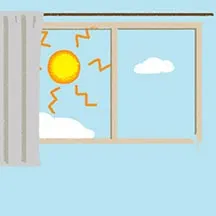
- 바람
- 비
- 눈
- 날씨
答えを見る
4. 날씨
Vocabulary check

- 덥다
- 뜨겁다
- 시원하다
- 찾다
答えを見る
3. 시원하다
Book exercises: p. 191. The online scene quizzes above are separate practice.
動画レッスン
A/V-겠어요, A/V-(으)ㄹ 거예요, A/V-(으)ㄹ까요?, N마다, N보다
YouTube · 17:29関連レッスン
- ~(으)ㄹ 거예요 — ‘~(으)ㄹ 거예요’は、動詞と形容詞の後ろに付いて、言う人の推測や主観を示すときに使用する。 • 을 거예요 : 前の動詞や形容詞の語幹が‘ㄹ’を除いたパッチム(終声) がある文字で終わるときに使用[영화관에 사람이 많을 거예요.] •ㄹ 거예요 : 前の動詞や形容詞の語幹が‘ㄹ’で終わるときに使用[내일 날씨가 추울 거예요.] * 基本形 : ~을 거다 /ㄹ 거다
- ~(으)ㄹ까요? — ‘~(으)ㄹ까요?’は、動詞と形容詞の後ろに付いて、言う人の疑問や考えを示す。 • 을까요 : 前の動詞や形容詞の語幹が‘ㄹ’を除いたパッチム(終声) がある文字で終わるときに使用[얼음이 얼 수도 있을까요?] •ㄹ까요 : 前の動詞や形容詞の語幹が‘ㄹ’で終わるときに使用[주말에 눈이 올까요?] * 눈이 많이 오면 길이 막힐까요?(막히(다)+ㄹ까요)
- 마다, 보다 — ‘마다’は、名詞の後ろに付いて、一つ一つすべて似たような状況であることを示したり、ある状況が繰り返されることを示すときに使用する。‘보다’は 名詞の後ろに付いて、‘보다’が付いた言葉が比較の対象となることを示すときに使用する。 • 아람은 바람이 불 때마다 모자를 써요. • 히토미는 비보다 눈을 좋아해요.